

 Feed back
 Privacy Policy
Parenting is often described as the most transformative journey a person can undertake—fraught with joy, exhaustion, love, and moments of profound self-doubt. As an astrologer and mother of two, I’ve come to see that our children aren’t just reflections of us; they’re cosmic mirrors, illuminating parts of ourselves we may have buried, ignored, or never even known existed. Nowhere is this more evident than in the subtle, sometimes painful, but always instructive dance of Saturn in synastry.
Saturn, the taskmaster of the zodiac, doesn’t show up with fireworks or fanfare. It arrives quietly—through friction, responsibility, limitation, and structure—and asks us: *What are you avoiding? Where do you lack confidence? What lessons did you fail to learn in your own childhood?* When Saturn appears in a parent-child synastry chart, it’s rarely about punishment. More often, it’s about karmic recalibration—a chance to grow through the very relationship that triggers us the most.
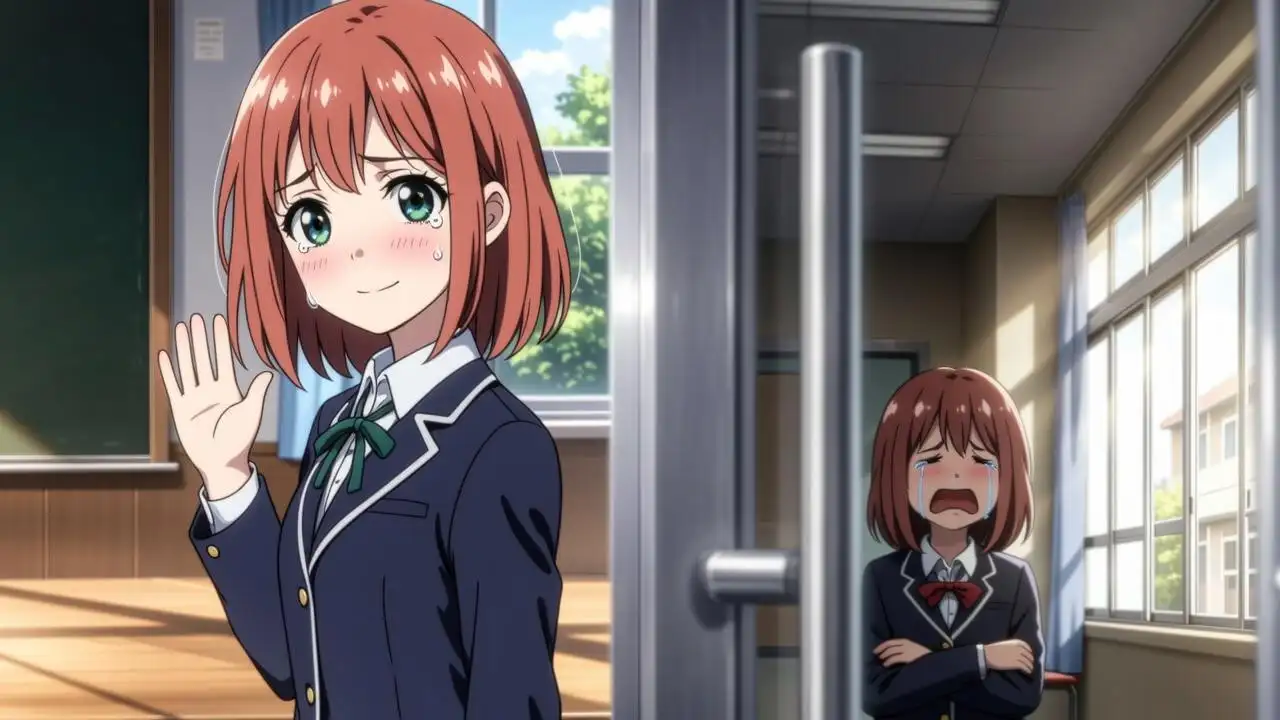
Unlike Venus (which softens) or Mars (which energizes), Saturn in synastry brings weight. It slows things down. In parent-child dynamics, Saturn’s presence—whether through conjunctions, squares, oppositions, or trines—signals a relationship that will demand maturity, accountability, and emotional endurance.
But here’s what most people miss: not all Saturn aspects feel difficult. While a square from a child’s Saturn to a parent’s Moon might manifest as emotional distance or perceived coldness, a conjunction between a parent’s Saturn and a child’s Sun can create a deeply responsible, protective bond—one where the parent feels an almost fated duty to guide their child. These connections often carry a “karmic teacher” energy, where the parent becomes a disciplinarian not out of harshness, but out of a soul-level recognition: *This child needs structure because I once didn’t get it.*
I remember analyzing a client’s chart whose daughter had Saturn conjunct her natal Moon. The mother confessed she often felt emotionally drained around her child, as if every interaction required effort. “She doesn’t cry easily,” she said, “but when she does, it feels like the world is ending.” That’s classic Saturn-Moon tension: emotions are suppressed until they erupt under pressure. The mother’s role wasn’t to fix it—but to witness it, hold space, and resist the urge to overcorrect.
Conjunctions, especially those involving personal planets (Sun, Moon, Venus, Mercury), tend to be more binding than squares. Why? Because they fuse identities. A Saturn conjunct Moon connection doesn’t just create emotional restraint—it can make the parent feel responsible for the child’s emotional survival. This isn’t always conscious. It lives beneath the surface, shaping parenting styles in ways we don’t immediately recognize.
Squares, on the other hand, generate friction—external challenges that force growth. A child with Saturn square their parent’s Venus might struggle to feel unconditionally loved unless they achieve something tangible. They learn early: *Affection comes after performance.* Recognizing this pattern allows parents to consciously break the cycle—offering love not as reward, but as baseline.
Let me bring this home with a personal story.
My youngest daughter was born with the Sun in Pisces and the Moon in Aries—fiery emotions wrapped in a dreamy exterior. On paper, she’s sensitive, intuitive, creative. But her Moon in Aries? That’s where the spark lives. She feels everything instantly, reacts fiercely, then moves on—often before I’ve even processed what just happened.
In my natal chart, Saturn sits at 10° Cancer, tightly conjunct her natal Moon (at 8° Aries, via antiscia reflection in whole-sign houses) and her Venus. This is no casual aspect. It’s a direct line between my limitations and her emotional nature.
At first, I misread her. Her impulsivity felt like defiance. Her need for immediate validation seemed excessive. I’d respond with control: “Wait your turn.” “Not everything is about you.” “Calm down.” Classic Saturn-in-Cancer parenting: emotional containment disguised as discipline.
But over time, I began to see the deeper dynamic at play—what I now understand as core Aries Moon parenting challenges. Children with the Moon in Aries need autonomy now. They’re not being selfish; they’re learning agency. Delay frustrates them not because they’re spoiled, but because their emotional rhythm is fast-paced and urgent. Telling them to “wait” feels like emotional suffocation.
And here’s where Saturn stepped in—not as punisher, but as teacher. My Saturn, the planet of boundaries and fear, was triggered by her Moon, the planet of instinct and need. Every time she demanded attention, I felt a twinge of anxiety: *Am I doing enough? Am I too soft? Will she become entitled?* Those fears weren’t about her—they were echoes of my own upbringing, where emotional expression was tempered by duty.
Through conscious parenting astrology, I began reframing our interactions. Instead of suppressing her fire, I started containing it constructively: “You can stomp your feet if you’re mad—just not inside the house.” “Tell me what you need before you yell.” Slowly, the power struggles diminished. Not because she changed—but because I did.
The duality of public persona versus private emotional expression became especially clear during school events. Publicly, she was the bright, confident kid—volunteering answers, leading games. Privately, she’d collapse into tears over small slights. Her Aries Moon needed to win, to be first, to be seen—but underneath was a vulnerable Pisces Sun craving safety. My job wasn’t to dampen her spirit, but to help her integrate both sides: courage and compassion, action and sensitivity.
One of the most humbling revelations in my astrological practice has been this: astrological jealousy patterns often hide behind parental guidance.
Let me say that again: what we call “concern” or “high standards” can sometimes be unconscious envy.
Consider this: a father with a tightly wound Virgo Saturn dismisses his son’s artistic talents, pushing him toward engineering. On the surface, it’s practical advice. Dig deeper, and you might find the father once wanted to paint—but was told it wasn’t “real work.” His Saturn internalized that message. Now, seeing his child freely express what he repressed, he feels a pang—not of pride, but of loss. And so, he redirects. Not to protect the child, but to soothe his own unresolved grief.
I’ve seen this in charts repeatedly. When a parent’s Saturn forms a hard aspect to a child’s Sun, Moon, or rising, especially in expressive signs like Leo or Sagittarius, there’s often an undercurrent of envy. The child embodies qualities the parent learned to suppress: spontaneity, boldness, charisma. The parent, operating from Saturnine fear, tries to “temper” these traits—calling them “reckless,” “attention-seeking,” or “unrealistic.”
But Saturn doesn’t just restrict—it reveals. Its placement in synastry shows us where we feel inadequate. And when a child naturally expresses what we cannot, the result isn’t always admiration. Sometimes, it’s discomfort. Sometimes, it’s jealousy masked as concern.
Recognizing this doesn’t make us bad parents. It makes us human. The key is awareness. Once we see the pattern—*I’m not worried about my daughter’s confidence; I’m intimidated by it*—we can choose differently. We can celebrate instead of correcting. We can support instead of steering.
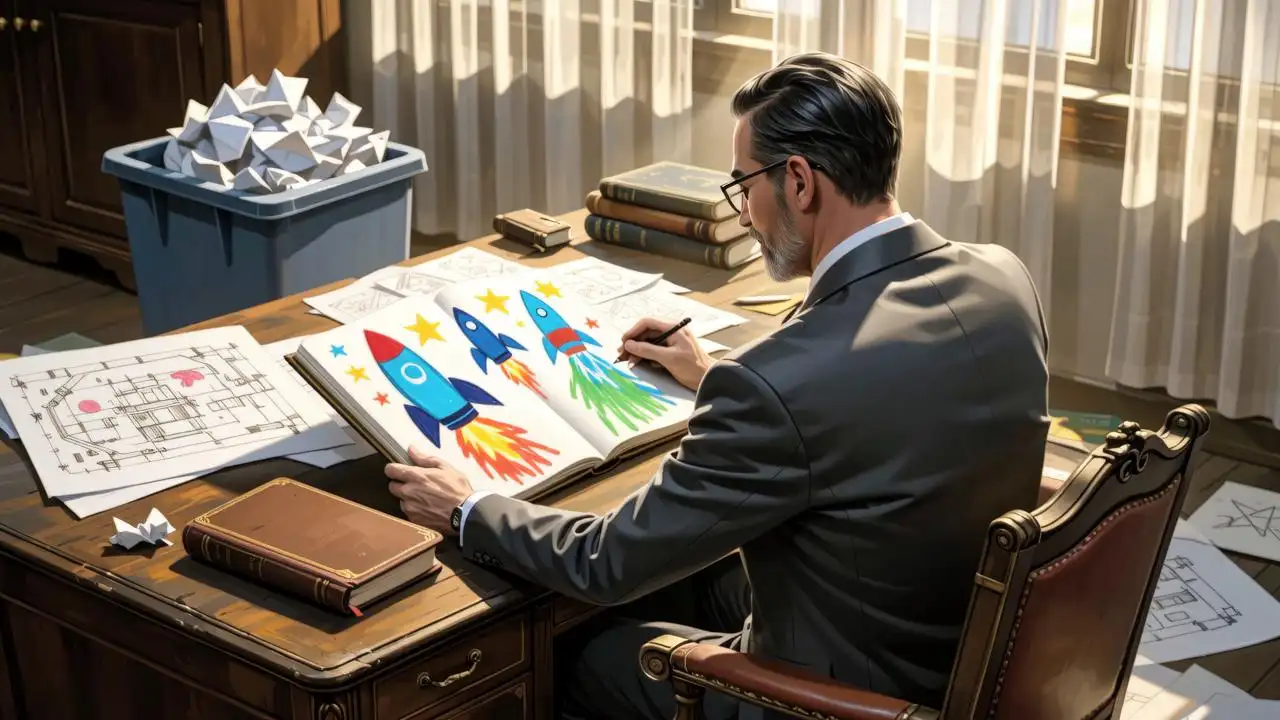
So how do we move from reactive to conscious parenting astrology?
It starts with the chart—but ends with the heart.
Begin by mapping the synastry between your chart and your child’s. Look for:
Use these insights not as fate, but as feedback. If your Saturn opposes your child’s Moon, ask: *Where do I withhold emotional warmth? Do I equate love with discipline?* If their Jupiter trines your Sun, celebrate: *This child helps me believe in joy again.*
Then, apply practical tools:
Astrology doesn’t remove the messiness of parenting. But it gives us a map. It helps us see that when Saturn tests us through our children, it’s not to break us—but to rebuild us. To become not perfect parents, but present ones.
Because in the end, the greatest gift we can give our children isn’t flawless guidance. It’s the willingness to grow alongside them—even when it’s uncomfortable, even when it reflects back our shadows.
And maybe, just maybe, that’s the most sacred form of love there is.
By Elena Rivers
San Diego, CA
Disclaimer: The astrology content discussed in this article is intended for educational and reflective purposes only and does not constitute professional psychological, medical, or therapeutic advice. Parenting decisions should be made based on individual circumstances and, when necessary, in consultation with qualified professionals. The author and publisher assume no liability for actions taken based on the information provided herein.
Elena Rivers
|
2025.12.24


